Achieve Your Goals: Intentional Design for Maximum Impact
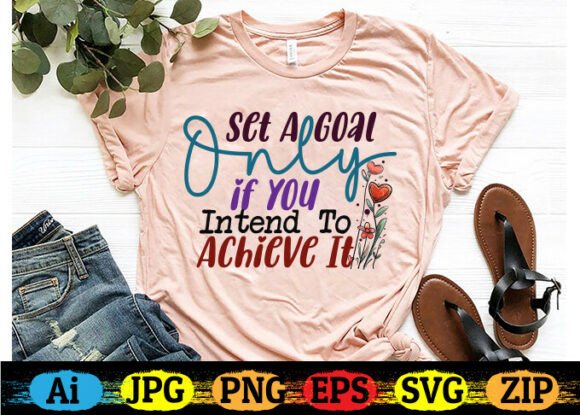
Every powerful design begins with a clear intention. The principle to Set a Goal Only if You Intend to Achieve It is more than just motivational text; it is the foundational mindset for effective graphic design and successful creative projects. In a landscape saturated with visual noise, intentionality is what separates amateur clutter from professional communication. This concept drives designers, marketers, and business owners to create assets that are not only visually appealing but also purposeful, ensuring every element serves a specific function in the broader brand narrative.The Role of Intentionality in Visual Communication
When you approach a project with the mindset to Set a Goal Only if You Intend to Achieve It, you shift from simply decorating to strategically communicating. This intentionality is critical in modern graphic design, where every color choice, typographic decision, and layout composition must contribute to a cohesive visual hierarchy. A goal-oriented design workflow ensures that assets align with brand identity, resonate with target audiences, and drive desired actions, whether that is a click, a purchase, or a lasting impression.
Practical Applications Across Creative Fields
High-quality, editable design assets are versatile tools that can be adapted to numerous platforms and mediums. When selecting a design, such as a motivational quote vector, consider its application across your entire creative ecosystem. A single, well-crafted asset can unify disparate parts of your visual strategy.
- Branding and Logo Design: Incorporate motivational typography as a secondary brand mark or a core slogan for apparel lines.
- Marketing Materials: Use high-resolution graphics for flyers, posters, and digital brochures that demand attention.
- Social Media Content: Create consistent, shareable graphics for Instagram, Facebook, and Pinterest that boost engagement.
- Website and UI Design: Apply motivational elements in hero banners or call-to-action sections to inspire user interaction.
- Packaging and Merchandise: Translate digital designs onto physical products like t-shirts, mugs, bags, and decals with clarity and impact.
Evaluating and Implementing Design Assets
Not all creative resources are created equal. To maintain a professional presentation, you must evaluate assets for technical quality and aesthetic compatibility. A design that encourages you to Set a Goal Only if You Intend to Achieve It should be delivered in formats that support your workflow, such as editable AI or SVG files for scalability and high-DPI PNGs for print precision.
When integrating new elements, focus on these key factors:
- Consistency: Ensure the style, weight, and color palette of the new asset match your existing brand systems.
- Readability: Verify that typography is legible across different sizes, from a small social media icon to a large banner.
- Scalability: Use vector formats to guarantee that graphics remain crisp on everything from web interfaces to large-format prints.
- File Integrity: Choose assets that are organized, with transparent backgrounds and editable layers to streamline your design process.
Enhancing Aesthetics and Communication
The visual impact of a design is deeply tied to its composition and typography. A statement like Set a Goal Only if You Intend to Achieve It