Don't Have Enough Coffee, Middle Fingers: A Design Asset Deep Dive
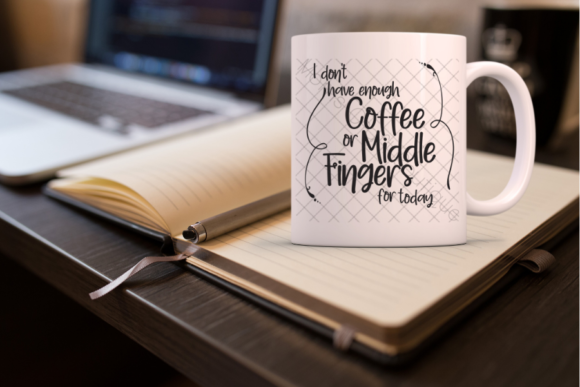
That feeling when the morning hits hard and the creative spark is still brewing? The "Don't Have Enough Coffee, Middle Fingers" design concept captures a relatable, modern sentiment, making it a potent tool in visual communication. For graphic designers, marketers, and creators, this style offers more than just humor—it provides a voice. It's about connecting with an audience through authentic, edgy, and human-centered design, a key principle in building a memorable brand identity.
In the landscape of graphic design, assets like these are invaluable. They inject personality into projects, transforming standard layouts into engaging visual stories. Whether you're crafting a social media campaign or developing merchandise, the right design element can set the tone, convey emotion, and drive user engagement. This particular aesthetic leans into modern typography and bold statements, aligning with current design trends that favor authenticity and directness.
Practical Applications Across Creative Projects
The versatility of a well-crafted design file allows it to enhance numerous facets of a brand's visual presence. Here’s how such an asset can be strategically applied:
- Branding and Logo Design: Use the motif to create sub-brands or product lines that speak to a specific, edgier customer segment, adding depth to the overall brand identity.
- Social Media Content: Stand out in crowded feeds. The design's bold typography and relatable message are perfect for Instagram posts, Facebook graphics, and TikTok overlays, boosting shares and saves.
- Packaging Design: For products like coffee mugs, apparel, or stationery, this design creates instant shelf appeal and communicates brand personality at a glance.
- Digital Marketing: Enhance email headers, website banners, or digital ads with a touch of irreverent humor that cuts through the noise and increases click-through rates.
- Merchandise and Print Design: Optimized files ensure high-quality output for t-shirts, stickers, and posters, making them ideal for e-commerce stores or promotional giveaways.
Ensuring Design Excellence: Selection and Implementation
Not all design assets are created equal. To maximize impact and maintain professional standards, consider these factors when integrating new elements into your workflow:
First, prioritize file quality and compatibility. Vector formats like SVG and EPS are essential for scalability, ensuring your design looks crisp from a business card to a billboard. A high-resolution PNG with a transparent background is crucial for layering in photo editing software or web design projects. Second, evaluate visual hierarchy and readability. The design should command attention without sacrificing clarity, especially when used in UI design or editorial layouts where user experience is paramount.
Finally, ensure the asset aligns with your existing brand system. Consider its color palette, typographic style, and overall aesthetic. Does it complement your current visual language? Thoughtful integration strengthens brand consistency across all touchpoints, from your website to your advertising campaigns.
In a world saturated with content, quality creative assets are the building blocks of effective visual communication. They save time, inspire innovation, and provide a professional polish that elevates every project. By choosing designs that are both technically sound and conceptually resonant, you empower your brand to connect, engage, and leave a lasting impression. Remember, the best design choices are those that serve both the message and the audience, turning simple graphics into powerful tools for storytelling and connection.