Pi Day Coloring: Fun & Engaging Pi Day Activities for Math Class
Celebrating Pi Day in the classroom offers a unique opportunity to blend mathematical precision with creative expression, and the right visual resources are key to making that connection stick. A well-designed Pi Day Coloring pack is more than just a time-filler; it's a carefully constructed tool for visual learning that can transform abstract concepts into tangible, engaging experiences for students in grades 3-6.
The Design Value of Themed Educational Resources
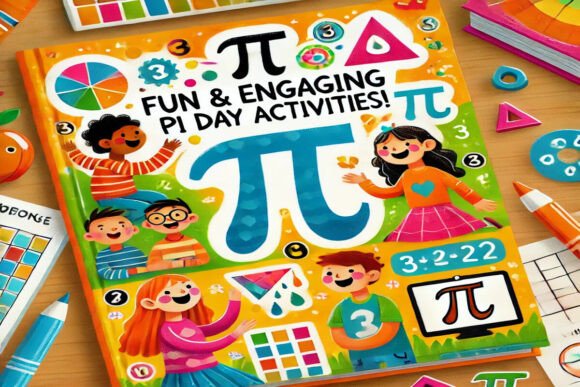
From a professional design perspective, a resource like the Fun & Engaging Pi Day workbook demonstrates the power of cohesive visual communication. It’s not merely about slapping the pi symbol onto a worksheet. Effective design here involves creating a consistent visual identity through a unified color palette, thoughtful typography, and a harmonious blend of instructional and playful elements. This approach strengthens the material's brand identity, making it instantly recognizable and building trust with educators who seek high-quality, reliable tools. The inclusion of an answer key and a mix of exercises, puzzles, and coloring pages shows a deep understanding of user experience (UX) design, catering to different learning styles and engagement levels within a single, polished package.
Practical Applications for Educators and Creators
The true utility of such a resource extends far beyond a single holiday. For educators and content creators, these assets can be repurposed and integrated into a wider design workflow:
- Classroom & Bulletin Board Displays: Use completed coloring pages and puzzles to create dynamic, student-made decor that reinforces learning.
- Digital Marketing for Education: Adapting the workbook’s clean graphics and playful aesthetic for social media posts, blog graphics, or email newsletters to promote STEM activities.
- Presentation Design: Incorporating the themed illustrations and diagrams into slideshow presentations to make lessons on circumference and area more visually engaging.
- Motivational Merchandise: The designs can inspire stickers, bookmarks, or certificate templates, extending the positive reinforcement of the learning experience.
Creating Effective Visual Hierarchy in Learning Materials
The success of a resource like this hinges on fundamental design principles. Clear visual hierarchy guides the student’s eye from instructions to problems to creative spaces. The typography must prioritize readability, using clear fonts for body text and distinct, engaging type for headings. The color palette, while fun, should maintain sufficient contrast for accessibility. When evaluating any creative asset, consider its scalability—will the designs remain crisp on both a printed worksheet and a projected screen?—and its compatibility with your existing classroom or brand system. A high-quality asset feels like a natural extension of a professional toolkit.
Ultimately, investing in thoughtfully designed educational materials elevates the entire learning environment. Resources that prioritize both aesthetic appeal and functional clarity, like this Pi Day pack, do more than teach a concept; they model the importance of quality presentation and intentional design. For designers and creators, this serves as a reminder that every visual element, from a coloring page to a corporate logo, communicates value and shapes the user's experience. Choosing assets with strong design foundations ensures your projects are not only beautiful but also clear, effective, and memorable.