Waterlogged Papers Vol. 3: Vintage Textures for Modern Design
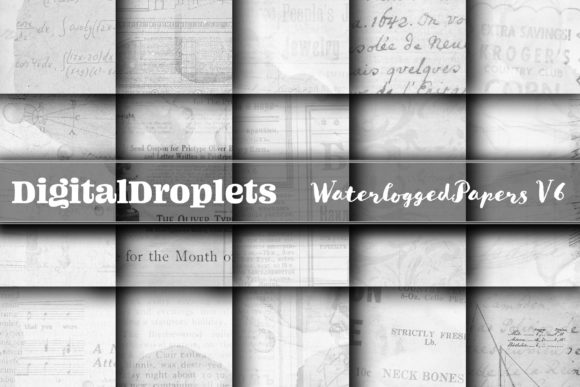
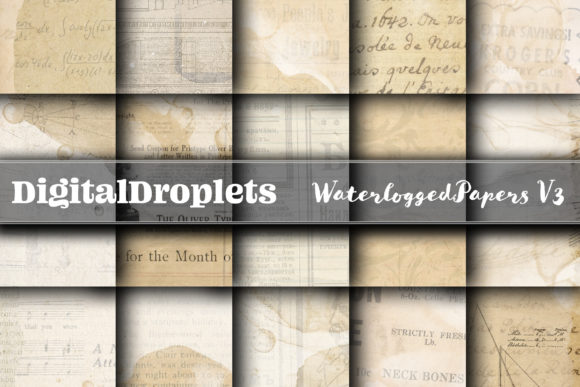
Every great design tells a story, and sometimes, that story begins with a foundation of beautifully aged texture. The Waterlogged Papers Vol. 3 | Collection offers a sophisticated set of 10 vintage-style backgrounds, each featuring unique newspaper or script overlays stained with organic alcohol ink effects. This 12×12 paper set is more than just a scrapbook filler; it is a versatile toolkit for graphic designers, digital artists, and branding specialists looking to inject authentic character and depth into their visual communication.
Elevating Visual Hierarchy with Vintage Elements
In the realm of modern graphic design, texture plays a crucial role in establishing visual hierarchy. While flat, minimal aesthetics have their place, the current trend leans heavily toward "lived-in" aesthetics that evoke nostalgia and tactile quality. These papers provide an immediate solution for adding depth without overwhelming the primary message. The intricate borders and subtle ink stains create a complex background that can make foreground elements—such as typography, logos, or product photography—pop with striking contrast.
When designing for a brand, consistency is key. However, the Waterlogged Papers Vol. 3 | Collection allows for variation within a cohesive framework. Because each of the ten papers features a different border style but maintains the same distressed color palette and ink treatment, they can be used across a suite of marketing materials while keeping the visual identity unified. This is particularly useful for creating:
- Brand Collateral: Design business cards, letterheads, and envelopes that feel bespoke and artisanal.
- Digital Marketing Assets: Create scroll-stopping social media graphics where text overlays seamlessly onto the textured background.
- Web Design Elements: Use these textures as hero image backgrounds or section dividers to break up sterile digital layouts.
Practical Applications for Creative Professionals
The utility of this collection extends far beyond traditional scrapbooking. For UI/UX designers, these textures serve as excellent resources for creating distinct "modes" or themes within an application, particularly for literary, educational, or vintage-themed platforms. In packaging design, a texture from this set can transform a plain label into a premium product wrapper, suggesting an artisanal or hand-crafted origin story.
Furthermore, for those involved in editorial design, these papers offer a quick way to mock up magazine layouts or book covers. The newspaper style overlays provide a ready-made grid and typographic texture that can ground your composition. When working with these assets, consider the following workflow tips to maximize their impact:
- Adjust Blending Modes: Experiment with "Multiply," "Overlay," or "Soft Light" in your design software to integrate these textures with your existing color palettes.
- Focus on Readability: Because the backgrounds are detailed, pair them with bold, sans-serif typography or high-contrast serif fonts to ensure your message remains legible.
- Scale and Crop: Don't be afraid to zoom in on specific details of the paper, such as a corner border or a specific ink stain, to use as subtle accents for washi tape strips or digital stickers.
Integrating Texture into Your Design Workflow
Quality creative assets are an investment in efficiency. By having a library of high-resolution, 300dpi files ready to go, you streamline your design workflow, allowing more time for conceptualization and refinement. The Waterlogged Papers Vol. 3 | Collection provides the raw material needed to execute complex visual ideas quickly. Whether you are designing a wedding invitation suite, a set of planner stickers, or a backdrop for product photography, the versatility of these papers ensures they will become a staple in your digital toolkit.
Ultimately, successful design is about evoking emotion and guiding the viewer's eye. By utilizing high-quality, textured assets, you move away from generic templates and toward unique, memorable visual experiences. Thoughtful design choices—like selecting a background that complements the narrative of your project—elevate the final product from merely functional to truly artistic.